.png)



Hydrogen Fuel Cell Drones vs. Battery-Powered UAVs: The Future of Unmanned Flight
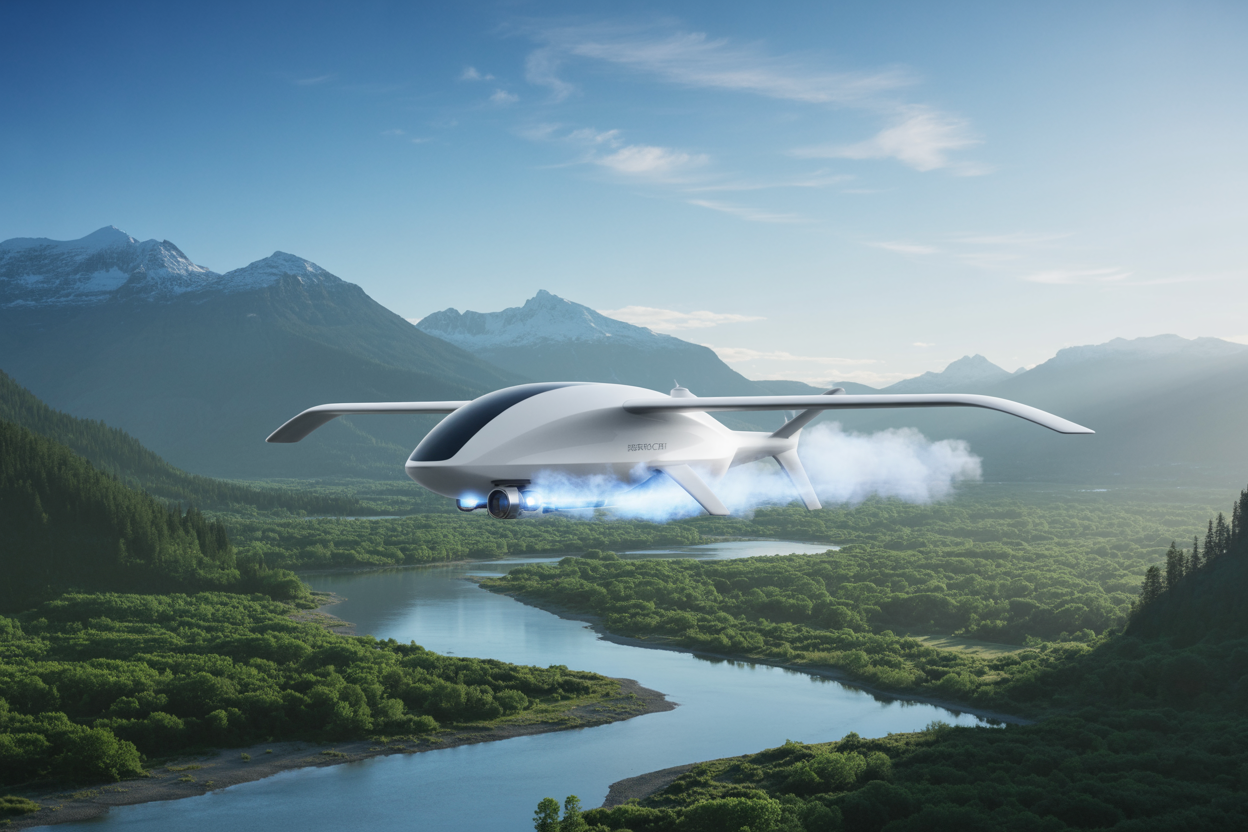
Hydrogen fuel cell drones are emerging as a powerful alternative to battery-powered UAVs, offering longer flight times, faster refueling, and improved operational efficiency. As the technology matures, hydrogen has the potential to reshape long-range, commercial, and industrial drone operations.
Drone operators and commercial organizations are facing a major shift in UAV technology as hydrogen fuel cell drones begin to challenge traditional battery-powered systems. While lithium batteries have powered drones for years, hydrogen technology is emerging as a powerful alternative that could reshape long-range and commercial drone operations.
This topic is especially important for drone pilots, fleet managers, and businesses investing in UAVs who want to understand which power source will define the future market. Hydrogen drones address the biggest limitations batteries struggle with—flight endurance, operational range, and downtime. Unlike battery-powered drones that require long charging cycles, hydrogen fuel cells allow hours of continuous flight and can be refueled in just a few minutes.
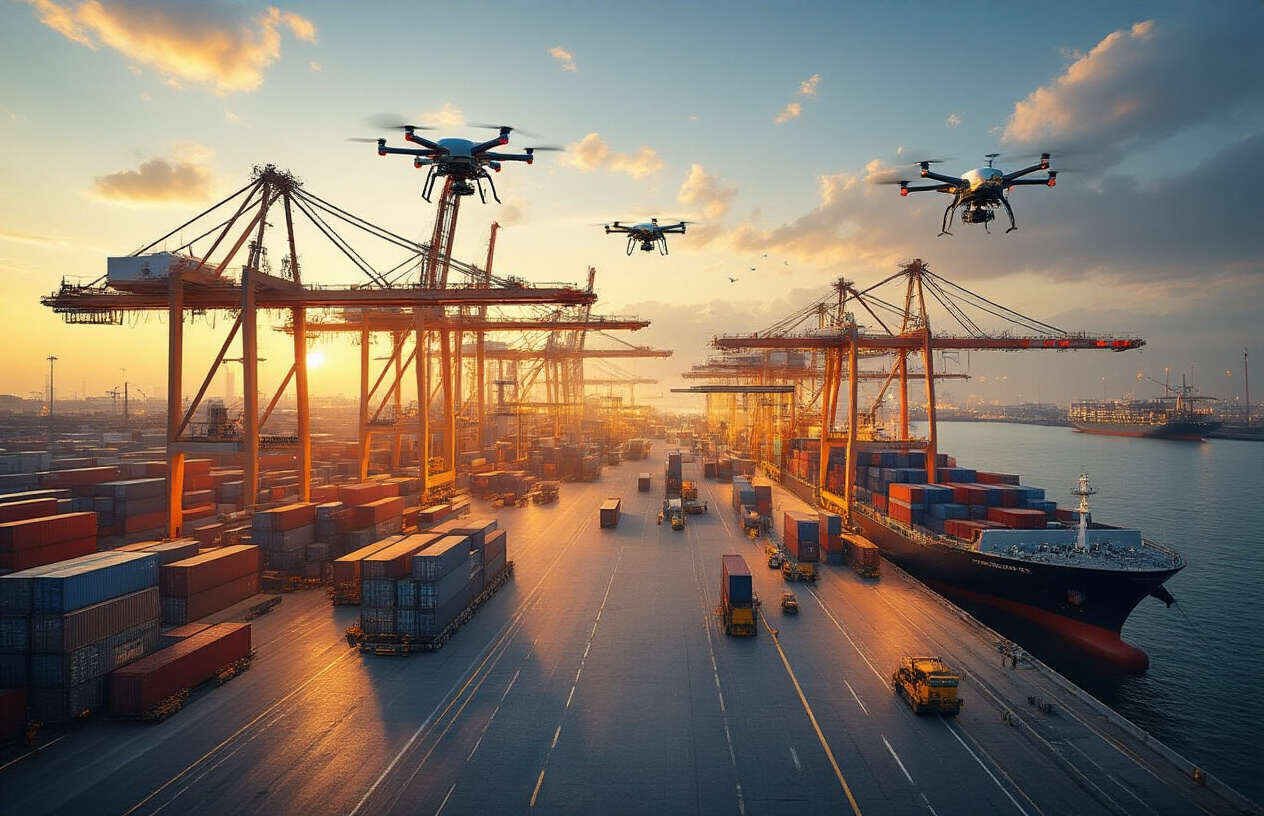
Hydrogen-powered drones also perform better in high-temperature environments and offer a higher energy density, making them well suited for missions that demand heavier payloads or longer distances. These advantages make them ideal for surveillance, logistics, delivery, and BVLOS operations, where reliability matters more than simplicity.
Beyond performance, hydrogen drones have the potential to support a more sustainable and scalable UAV industry. Battery systems degrade over time and pose recycling challenges, while hydrogen fuel cells can last longer and offer cleaner energy when produced responsibly. Industries such as mapping, emergency response, and defense are already seeing the value in reduced downtime and expanded coverage.
Battery-powered drones are unlikely to disappear anytime soon, especially for short and low-demand flights. However, as hydrogen infrastructure continues to develop, fuel-cell drones are positioned to play a growing role in the future of commercial UAV operations.
Leave a Comment
Your email address will not be published. Required fields are marked *