.png)
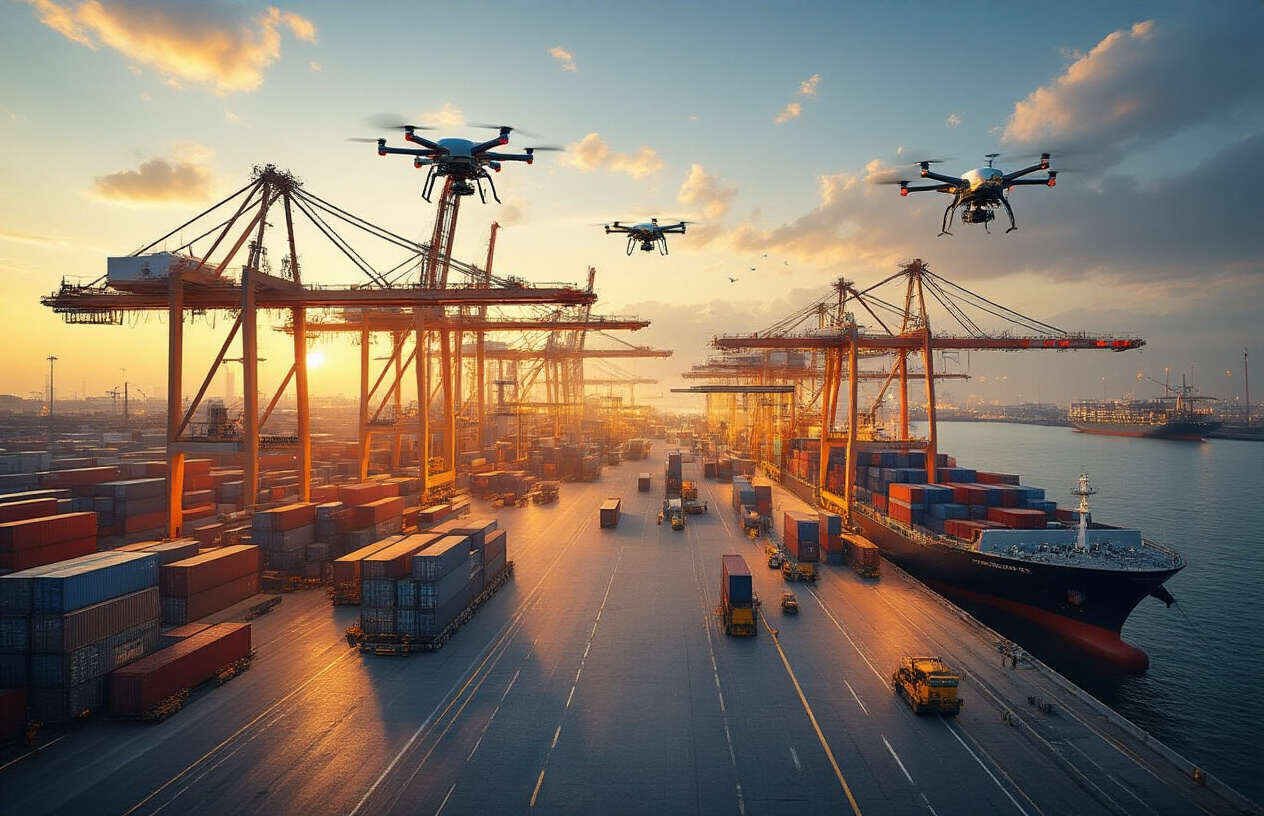




AI swarms are dramatically reducing cargo inspection and clearance times from hours to just minutes, transforming how global trade operates. Traditional manual inspections create major bottlenecks at ports and border crossings, with containers sitting idle while inspectors review paperwork and conduct physical checks. This outdated, sequential process slows supply chains and increases operational costs. Swarm technology changes this completely by enabling multiple AI agents to work simultaneously. These intelligent systems scan cargo manifests, cross-reference security databases, and analyze X-ray imagery in real time. While one AI agent validates documentation, another examines cargo contents, and a third evaluates risk profiles based on shipping routes and historical data. This parallel processing eliminates delays and significantly accelerates clearance procedures.
Ports equipped with AI swarm systems now process up to three times more cargo per day without expanding physical infrastructure. The Port of Rotterdam, for example, reported a 67% reduction in average clearance times after implementing swarm-based inspections. Trucks that once waited four to six hours for approval now complete the process in under 90 minutes. Faster inspections not only improve efficiency but also strengthen border security by identifying high-risk shipments more accurately.
Beyond inspections, AI swarms are transforming supply chain management through predictive analytics. These systems monitor weather conditions, political developments, traffic flow, and cargo volumes across multiple regions simultaneously. By analyzing vast amounts of real-time and historical data, AI predicts disruptions before they occur. Businesses receive early warnings about potential delays, allowing them to reroute shipments or adjust production schedules proactively. Predictive models also determine the most efficient shipping routes by evaluating border processing speeds, seasonal trade patterns, and congestion trends. One clothing retailer reduced shipping delays by 45% and saved $2.3 million annually by adopting dynamically optimized routes recommended by AI swarm systems.
Operational costs decrease significantly for both businesses and governments. Shipping companies report 30–40% lower expenses due to reduced waiting times and streamlined processes. Fuel consumption drops as trucks spend less time idling in long inspection queues. Government agencies benefit as well, operating with 25% fewer personnel while processing up to 50% more cargo. Routine inspections are handled automatically, freeing human officers to focus on high-risk cases requiring judgment and expertise. Additionally, AI swarms optimize facility usage by balancing traffic across multiple checkpoints, reducing infrastructure strain and extending equipment lifespan.
Efficient processing directly increases trade capacity. Border crossings using AI swarm technology handle two to three times more daily transactions without requiring expansion. At certain US–Mexico crossings, trade volume increased by 35% after adopting these systems, generating additional revenue for both nations. Small and medium-sized businesses benefit greatly from these improvements. Previously, long border delays made international trade too costly and unpredictable for smaller firms. With faster and more reliable processing, they can now compete effectively in global markets. E-commerce growth accelerates as cross-border shipping becomes more dependable, allowing online retailers to expand internationally with confidence.
AI swarms also enhance compliance monitoring and reporting. Every inspection decision, risk assessment, and processing step is automatically documented, creating transparent audit trails. This reduces administrative burdens while strengthening regulatory compliance. The system identifies patterns and flags potential violations before they escalate, sending proactive notifications about documentation errors or regulatory updates. Real-time dashboards provide businesses with instant visibility into trade performance metrics, helping them improve operations and demonstrate accountability to partners and regulators.
However, strong accountability measures are essential for automated border systems. Clear chains of responsibility must exist for AI-driven decisions, especially when errors occur. Comprehensive logs should record data inputs, algorithmic processes, confidence levels, and final outcomes to ensure transparency. Border agencies must implement backup protocols, human override procedures, and escalation pathways for complex situations. Regular performance reviews are necessary to assess accuracy, processing speed, false positive rates, and public satisfaction. Legal frameworks must also evolve to address liability standards, appeal mechanisms, and acceptable risk thresholds for automated actions.
Overall, AI swarm technology is reshaping global trade by accelerating inspections, reducing costs, increasing trade volumes, and strengthening compliance. By combining speed, intelligence, and transparency, these systems create more efficient and secure border operations while supporting economic growth in an increasingly interconnected world.
Leave a Comment
Your email address will not be published. Required fields are marked *